Air Duct InfoLearn a lil' somethin' while yer here.
High-Altitude Spring Cleaning: A Homeowner’s Guide for the Rockies

Spring in Colorado never arrives in a straight line. In the Rockies and along the Front Range, one week can still feel like winter while the next brings dust, wind, snowmelt, and the first wave of seasonal allergens. That unpredictability is exactly why spring cleaning at elevation should be more than a cosmetic reset. It should be a practical home-maintenance check focused on what winter left behind and what warmer weather is about to bring in.
For many homeowners, that starts with the HVAC system. After months of running the furnace, circulating indoor air, and keeping the house closed up against cold weather, spring is the right time to look beyond surfaces and deal with the parts of the home that affect comfort every day. For homes in and around the Rockies, that means paying close attention to ductwork, furnace components, filtration, and dryer venting before the next season puts the system under a different kind of load.
Local Spring Reset for Front Range Homes
Pair your usual spring cleaning with an HVAC-focused checkup to get ahead of dust, allergens, and winter buildup before summer heat arrives.Schedule a Spring Inspection
Why Spring Cleaning Hits Different in the Rockies
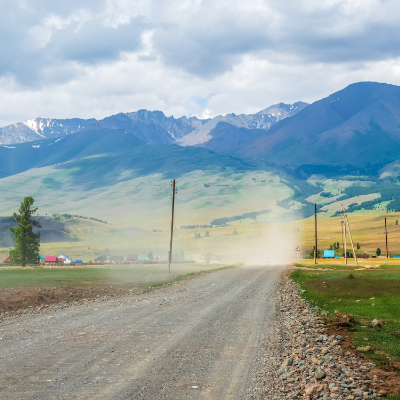
Colorado homes do not deal with a mild, uniform transition into spring. Elevation, topography, and mountain-driven weather patterns create sharp changes over short distances. In practical terms, that means homeowneroften move straight from winter heating season into a stretch of windy, dusty, highly variable spring weather.
That matters indoors. When a house has been sealed up all winter, dust, pet dander, fine debris, and normal household particulates have had months to move through the return and supply system. Then spring arrives with more airborne material from outside. In a region where foothill and Front Range conditions can shift quickly, spring cleaning is not just about opening windows and putting away winter clothes. It is about getting the home ready for a season that brings a different set of air-quality and maintenance challenges.
What Winter Leaves Behind in Your HVAC System
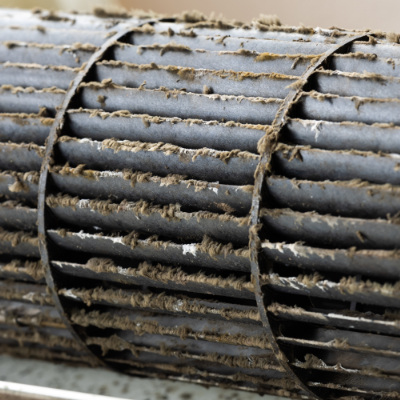
Most homeowners think about visible dust first, but the bigger issue is what collects inside the system during the heating season.
Every time the furnace runs, it pulls air through the home and back through the HVAC system. Even with regular filter changes, some amount of dust and debris still makes its way into the ductwork and furnace. That buildup is easy to ignore because it is mostly out of sight, but it does not stop affecting the system just because it is hidden.
At Steve’s Air Duct Cleaning, that source-side buildup is a major part of the story. Their furnace cleaning service page points out that two of the primary collection points are the blower and the coil. If those components are dirty, the problem is not limited to the ducts alone. In many cases, cleaning only the visible parts of the system or only the ducts misses the bigger issue: the furnace can continue pushing dust and pollutants back through the system once it starts up again.
That is why smart spring cleaning should focus on the entire airflow path, not just the registers.
Spring Is the Right Time to Inspect, Reset, and Clean
A professional spring-cleaning approach is not about treating duct cleaning as an automatic annual ritual. It is about knowing when inspection and cleaning are justified and handling them before another high-use season begins.
The U.S. Environmental Protection Agency does not recommend routine duct cleaning on a fixed schedule for every home. Instead, it recommends duct cleaning on an as-needed basis, especially when there is substantial visible contamination, verified mold on hard-surface components, evidence of vermin, or excessive dust and debris actually being released into the living space from supply registers. — U.S. EPA duct-cleaning guidance
That is an important distinction. Good home maintenance is not about over-servicing equipment. It is about doing the right work at the right time.
Spring is ideal for that kind of evaluation because it gives homeowners a natural transition point between seasons. The furnace has just done its heaviest work. Dust from winter living has had time to accumulate. Snowmelt can expose moisture issues. And allergy season is about to make indoor air more noticeable to everyone in the house.
A Rockies Spring-Cleaning Checklist That Goes Beyond Surface Dust
For homeowners at elevation, a better spring-cleaning routine includes more than mopping floors and organizing closets. It should include a few HVAC-focused steps that help the home perform better through spring and into summer.
| Checklist Step | What to Do | Why It Matters at Elevation |
|---|---|---|
| Replace HVAC Filter | Install a fresh, properly sized filter at the start of spring. | Helps the system handle spring dust and early allergens without straining the blower. |
| Clean Grilles & Registers | Vacuum and wipe supply and return grilles throughout the home. | Reduces loose dust right at the surface where airflow is strongest. |
| Check Airflow Room-to-Room | Note any rooms that feel stuffy, drafty, or unevenly heated/cooled. | Uneven airflow can highlight duct, register, or equipment issues before summer. |
| Inspect Furnace Components | Have blower, coil, and cabinet evaluated and cleaned when needed. | Stops source-side dust from reloading freshly cleaned ducts. |
| Watch for Moisture Issues | Check around basements, crawlspaces, and near snowmelt or roof leaks. | Wet materials can grow mold if they stay wet, affecting both structure and IAQ. |
| Clean the Dryer Vent | Schedule spring dryer vent cleaning. | Removes winter lint buildup, reduces fire risk, and helps the dryer run efficiently. |
1. Replace the HVAC Filter
This is the simplest place to start. A dirty or overloaded filter reduces airflow and makes the system work harder than it should. Spring is a natural point to replace it and reset your maintenance cycle.
2. Vacuum and Wipe Supply and Return Grilles
Registers and returns collect visible dust quickly, especially after a long heating season. Cleaning them will not replace professional duct cleaning when it is needed, but it is an important first step and can help reduce loose dust at the surface level.
3. Check How the House is Actually Breathing
Are some rooms stuffier than others? Is airflow weaker than it should be? Are you seeing debris around registers shortly after cleaning? Those are the kinds of signs that justify a more thorough inspection of the system.
4. Do Not Ignore the Furnace
If your spring-cleaning list includes the ductwork, it should also include the furnace. Steve’s emphasizes that clean ducts start at the source, and that is exactly right. A dirty blower or coil can undermine the value of the rest of the cleaning.
5. Address Moisture Quickly
Spring snowmelt, roof leaks, or wet materials around the home should never be ignored. If building materials stay wet long enough, mold can begin to grow. That matters for indoor air quality and for the condition of the home itself.
6. Include the Dryer Vent in Your Spring Reset
A full spring maintenance routine should also include dryer vent cleaning. Winter laundry loads, trapped lint, and restricted airflow can all leave the dryer working harder than necessary. Spring is the right time to inspect and clean that system as well.
When It Makes Sense to Call a Professional
There is a difference between normal household dust and a system that actually needs professional attention. A qualified inspection and cleaning make sense when you notice issues such as:
- Visible debris buildup beyond what a homeowner can safely reach
- Particles blowing from supply registers
- Musty odors that seem tied to the HVAC system
- Evidence of pests in the ductwork
- Furnace components that have gone multiple seasons without cleaning
- Reduced airflow or uneven comfort from room to room
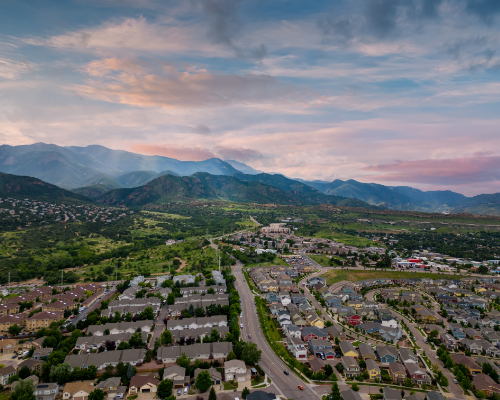
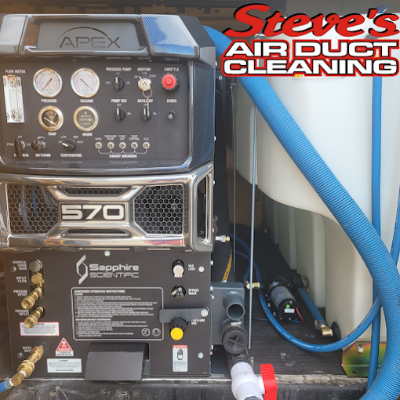
That is where an experienced local specialist becomes valuable. Steve’s Air Duct Cleaning has served the greater Denver metro area for more than 45 years and highlights IICRC-certified technicians, truck-mounted vacuum power, and dedicated service lines for air duct cleaning, furnace cleaning, and dryer vent cleaning. For homeowners in the Rockies and foothill-adjacent communities, that kind of local experience matters because the seasonal dirt, dust, and wind load on homes here is not hypothetical. It is part of everyday ownership.
A Better Way to Get Ready for Spring
Spring cleaning in the Rockies should not stop at what you can see. At elevation, homes deal with winter buildup, mountain-driven dust, fast weather swings, and the start of allergy season all at once. The smartest response is not a rushed deep clean. It is a deliberate reset of the systems that move air through the home every day.
For many Colorado homeowners, that means treating spring as the best time to inspect filters, clean registers, evaluate airflow, and address the furnace, ductwork, and dryer vent before warm-weather use ramps up. Done properly, spring cleaning becomes less about appearances and more about preparing the home to run cleaner, safer, and more efficiently for the season ahead.
Start Breathing Easier.
Your air ducts are the lungs of your home and keeping them clean keeps you and your family healthier and your HVAC equipment working optimally.