How to Do a Simple Visual Inspection of Your Air Ducts
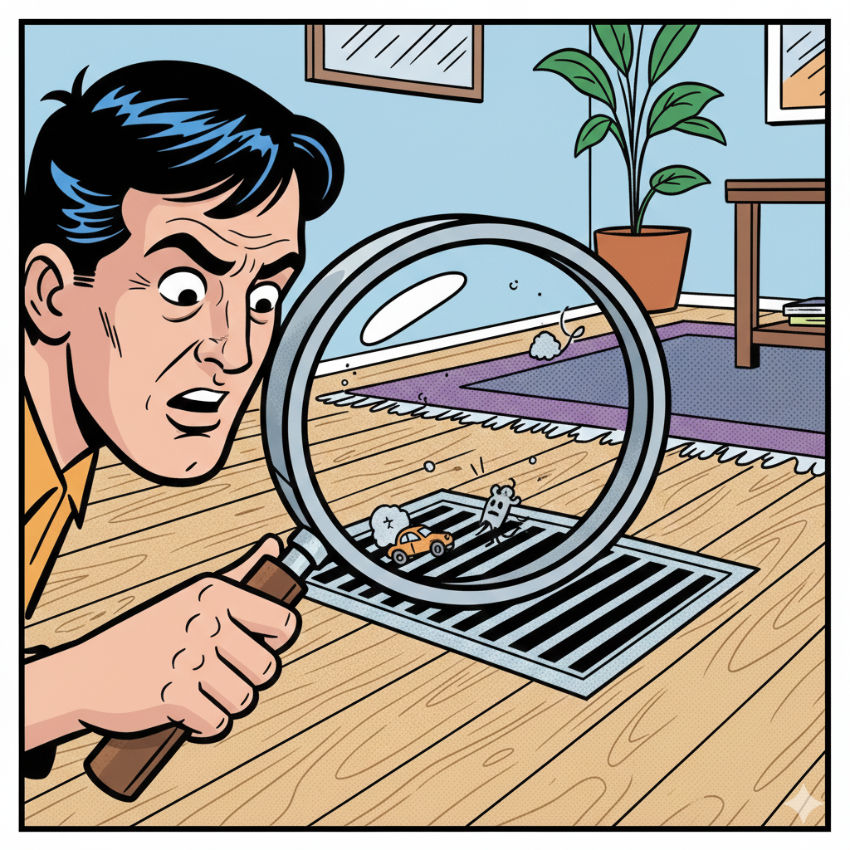
Air duct cleaning is essential to improving indoor air quality and the overall performance of your HVAC system. If you are uncertain whether you need to have your air ducts cleaned, it's a good idea to perform a simple visual inspection yourself. If you proceed carefully, the inspection should help you determine if a cleaning is really necessary and whether it's time to call Steves's Air Duct Cleaning to ensure a thorough and professional job.
Why dust and allergens in ductwork matter
Over time, dust, pet dander, and other allergens can accumulate on the interior surfaces of metal ducts and recirculate through your home’s air. According to a review by the U.S. National Library of Medicine / National Institutes of Health, poorly maintained HVAC systems and ducts can harbor bioaerosols, allergens, and pathogenic microorganisms that may affect indoor air quality and respiratory health.In this guide, the team at Steve's will walk you through the steps involved in performing a visual inspection of your air ducts.
The Importance of the Visual Inspection
Air ducts have a vital job circulating clean, heated, and cooled air throughout your Colorado home. This is the air that keeps you comfortable year-round and the same air you breathe in the entire time you are home. It's essential that the air be clean and hygienic, and the best way to ensure that is to make sure your air ducts are always free of dust, dirt, pet dander, pollen, and even mold and rodent hair and waste.
If there is a visible buildup of these or other pollutants in your ductwork, you should call the pros at Steve's without delay. So, below we'll explain step-by-step how you can inspect your ducts and determine whether a duct cleaning is needed.
What You'll Need
You don't need any specialized equipment to inspect your ductwork. Just a few everyday items and a commitment to being thorough. Here is what the average homeowner will need to inspect their ducts:
- A flashlight whose beam you can focus so you can look deep into vents.
- A standard or hex-head screwdriver to remove vent covers.
- Gloves and a quality dust mask to prevent you from inhaling airborne pollutants.
- A folding ladder to inspect ceiling vents.
- A good phone camera so you can document what you see. This will help Steve's field techs gain a good idea of what they're facing.
Before You Start the Inspection
Before physically addressing any part of your HVAC system, make sure you…
- Turn off the system at the thermostat to prevent air movement while you're working.
- Always avoid touching any electrical components related to the HVAC system.
- Make sure you are wearing protective gloves and a quality mask.
- Do not climb the ladder to address ceiling vents unless someone is there to hold the ladder for you.
Step 1: Look for external signs of trouble
Before you dig into the air ducts themselves, look for telltale signs of trouble that manifest on the outside of the vents or registers. These include:
Make notes of where you encounter which issue for later reference.
Step 2: Remove and inspect your vent covers
Remove the supply and return vent covers and look for:
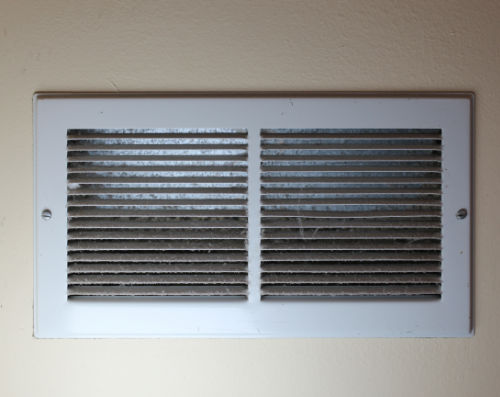
- A buildup of dust or debris on the blades of the vents and registers, or right inside the vent opening.
- Pet hair, cobwebs, or other clumps of dirt and debris inside the vent.
- Any signs of moisture or corrosion that could indicate the environment inside your vents is too moist.
- Black or green spots on the insides of the vents indicating mold.
If you are unsure whether your ducts need cleaning at this point, take a clean cloth and wipe the inside of the duct. If there's just a bit of grit on the cloth, that's typically normal. If, however, the cloth is coated with clumps of dust or a greasy residue, you'll need to have the ducts professionally cleaned.
Step 3: Shine your flashlight into the ducts
Just because there is no significant buildup of dirt and debris near the vent opening doesn't mean it's not present deeper inside the ducts. So at this point, you're going to use your flashlight to peer inside and see what you can see. You should be looking for:
- A heavy accumulation of dust and debris anywhere inside the duct.
- Mold that may be thriving deeper inside the duct.
- Standing water (even a little), condensation, or leaks are red flags that your ducts require immediate attention.
- Evidence of pests in the ducts. That includes droppings, chewed insulation or nesting materials. Pests in the ductwork are more common than you think, so do not overlook this.
You should continue to document what you find for future reference.
Step 4: Replace all vent covers and registers
Make sure you return the external parts of the system to the state you found them in. That means replacing all vent covers and registers and cleaning up around where you were working. After that, power the system back up.
Step 5: Determine if you need duct cleaning
Sit down and review your notes and photos from the inspection. You will need to have your ducts cleaned if you found any of the following:
- Clumps of dust or other debris anywhere inside the vents.
- Evidence of pest activity.
- Mold anywhere inside the ducts.
- Musty, unpleasant odors emanating from inside the ducts.
Step 6: Call Steve's
If your inspection has turned up evidence that your ductwork is in need of cleaning, get in touch with the experts at Steve's Air Duct Cleaning and arrange for a site visit. Unlike the average homeowner, we have a full array of professional tools designed to scour your ducts of every last vestige of dirt and debris. We also make sure the cleaning process unfolds in a safe and effective way that will not endanger people, pets, or your ductwork.
Final Thoughts
If you can't remember the last time you had your air ducts cleaned, then a visual inspection is a simple and effective way to determine if it's time to call the pros. Fortunately, you do not need to buy any special equipment. The most important thing is to be methodical and keep notes of what you find and where.
If you feel the inspection may be beyond your current abilities, get in touch with the team at Steve's, and we'll be happy to conduct an inspection for you. Remember, clean ducts mean a clean, hygienic home.
For Professional HVAC Cleaning in Arvada and Beyond Trust the Experienced Team at Steve's
At Steve's, we have years of experience cleaning and maintaining the ductwork of our customers all over the metro area. If your ductwork inspection has turned up evidence that it's time to have your ducts cleaned, give Steve's a call at 720-419-7792 during regular business hours and arrange an appointment. You'll be glad you did.
Start Breathing Easier.
Your air ducts are the lungs of your home and keeping them clean keeps you and your family healthier and your HVAC equipment working optimally.